Empathy
Empathy Isn’t Softness.
It’s Strength.

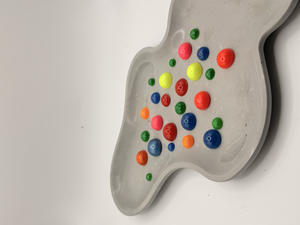
picture by https://www.anniespratt.com
Empathy enjoys a good reputation.
It sounds humane, warm, desirable.
In job descriptions, political speeches, and wellness culture, it is often treated as a moral add-on like a nice accessory one is expected to have.
But empathy is not soft. It is demanding and often misunderstood.
There are people who see themselves as empathetic while, in reality, they are avoiding their own unresolved issues. They are constantly focused on helping others. This so-called helper syndrome often turns into frustration when the expected recognition fails to appear.
Not because they had too much empathy but because they had none.
They did not listen. They acted. Their so-called empathy was driven by self-focused position.
Empathy isn’t softness.
It’s the strength to see what others avoid.
Empathy is not a feeling either.
It is a skill and it is linked to intelligence.
In everyday understanding, empathy is often seen as an emotional reflex: something that happens automatically if you are “nice enough.” Research paints a different picture.
Psychologist Daniel Goleman, who shaped the concept of emotional intelligence, defines empathy as the ability to perceive and understand the emotional states of others while remaining emotionally regulated oneself.
Empathetic people perceive and they regulate that perception.
It is precisely this second part that is so often ignored.
Empathy requires time, attention, and a willingness to tolerate ambiguity.
Exactly what our present-day culture systematically reduces.
We are rewarded for speed, certainty, and opinion.
Empathy slows things down, forces us to listen, and interrupts rapid judgment.
That makes it uncomfortable and that is precisely why it matters.
Empathy does not mean agreeing or excusing.
It means looking closely and remaining present anyway.
This is not softness. This is strength.